 S8 ATLAS
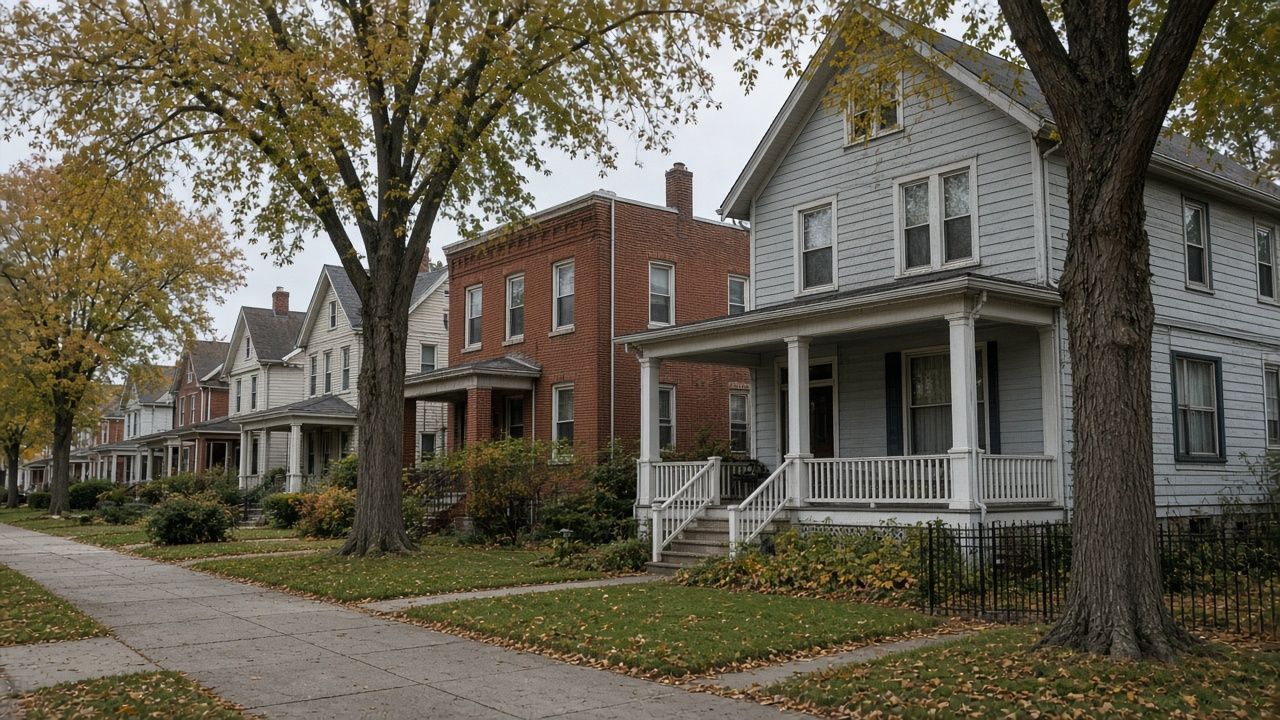
Housing authorities
- Detroit Housing Commission (DHC)City of Detroit
- Michigan State Housing Development Authority (MSHDA)Administers a statewide voucher program through local agents
Names from public agency sources. Confirm which agency covers a specific address before you buy, because jurisdictions can overlap.
Landlord-tenant overview
- Main statutesSummary proceedings to recover possession (MCL 600.5701 et seq.) and the Truth in Renting Act (MCL 554.631 et seq.).
- NonpaymentA written demand for possession giving 7 days for nonpayment of rent before filing in district court (MCL 600.5714). Demand contents and service methods are set by MCL 600.5716 and 600.5718.
- Source-of-income rulesSince April 2, 2025, Michigan's Elliott-Larsen Civil Rights Act (as amended by Public Act 180 of 2024) bars landlords with five or more rental units in Michigan from refusing or treating tenants differently because of a lawful source of income, including Housing Choice Vouchers.
- Local rental registrationDetroit requires rental registration and a Certificate of Compliance before an unoccupied rental may be occupied or rent collected. Certificates are valid for three years (Detroit City Code § 8-15-82).
Not legal advice. This is a general, high-level overview for education. Landlord-tenant law changes and local ordinances vary. Notice periods and procedures shown should be verified against current law before relying on them. Talk to a licensed attorney in the state.
Major voucher programs
Detroit
DHC and MSHDA both administer vouchers in the area. Without a Certificate of Compliance, tenants may pay rent into escrow, and escrowed rent can go to the tenant after 90 days if the property isn't brought into compliance (detroitmi.gov). Our Michigan-licensed team members (see Team) are based in metro Detroit.
Inspection basics
Before a voucher lease starts, the local housing authority inspects the unit, and it re-inspects periodically (at least every two years under HUD rules; many PHAs inspect annually), plus special inspections if a tenant reports a problem. HUD is moving voucher inspections from Housing Quality Standards (HQS) to the NSPIRE standards and has extended the NSPIRE compliance date for voucher programs to February 1, 2027 (Federal Register, Sept. 30, 2025). Until then, a PHA may keep using HQS, so ask the PHA which standard it uses. Common fail items: missing or non-working smoke/CO detectors, exposed wiring, missing GFCI outlets, leaks, broken windows or locks, loose handrails, and deteriorated paint in pre-1978 homes.
Where to find current figures
| Fair Market Rents | HUD publishes FMRs each fiscal year: HUD FMR data. |
|---|---|
| Payment standards | Set by each PHA (generally 90–110% of FMR). Ask the PHA for its current schedule and effective date. |
| Voucher waitlist status | Changes often; check the PHA's site. |
| Property types we review | Single-family homes, duplexes and small multifamily. |
| Closed client properties | See Proof. We list only verified transactions. |
We point you to the official sources rather than quoting figures that change every year. We don't publish rent, cash-flow or return projections.
Risks to weigh here
- Older housing stock: roofs, furnaces/boilers, sewer lines, lead paint (pre-1978).
- PHA processing and inspection scheduling can delay leasing; waitlists and funding change.
- Property tax reassessment after a sale; rising insurance costs.
- Block-by-block variation in vacancy, crime and code enforcement.
- "Landlord-friendly" law doesn't remove eviction cost, time or tenant rights.
Properties in this market
Verified client properties are listed on our Proof page with process facts only (purchase price, rehab, inspection and placement dates).
Related videos
The #1 Mistake First-Time Section 8 Landlords Make (Inspections)
We Help You Read the Inspection Report. You Make the Decision.
Educational information only, not investment, tax, legal or lending advice. No returns, rents, income or timelines are promised. See Disclosures.
See if S8 Atlas is a fit for you
Fill out a short application. If it looks like a fit, you'll book a strategy call and get a few short videos to watch first, so the call is about your questions, not a sales pitch.
Education and consulting only. No return, rent or income is guaranteed, and real estate involves risk. Disclosures